March 3, 2026
Selecting new flooring for your home is one of the most impactful design decisions you'll make, affecting aesthetics, comfort, functionality, and property value for years to come. With countless flooring options available in various materials, styles, and price points, the selection process can quickly become overwhelming for homeowners who lack experience with flooring products and installation. Understanding what professionals consider when recommending flooring helps you make informed decisions that balance your budget, lifestyle needs, and design preferences. The difference between a flooring installation that delights you for decades and one that disappoints within months often comes down to choosing appropriate products for your specific situation and ensuring proper installation. Learning what experienced contractors want you to know before making your selection protects your investment and increases the likelihood that you'll love your new floors long after installation is complete.
Understanding Your Lifestyle and Traffic Patterns
Before falling in love with a particular flooring style, honestly assess how you actually use your space and what demands your floors must withstand daily. Homes with children, pets, or heavy foot traffic require more durable flooring options than quiet adult households with minimal wear patterns. High-traffic areas like entryways, kitchens, and hallways need flooring that resists scratches, stains, and wear better than bedrooms or formal dining rooms that see occasional use. A local flooring contractor will ask detailed questions about your household composition, daily routines, and specific concerns to recommend products that match your actual needs rather than just your aesthetic preferences.
According to 360 Market Updates, hard flooring products account for nearly 58% of installed floor area, while soft flooring solutions contribute 42%. Hard surfaces like wood, tile, and luxury vinyl offer durability and easy maintenance, but feel harder underfoot and can be noisy in multi-story homes. Soft flooring like carpet provides warmth, comfort, and sound absorption but requires more maintenance and may not suit households with allergy concerns or messy lifestyles. Many homeowners find that combining both types throughout their homes creates the best overall result, using hard flooring in high-traffic and moisture-prone areas while installing carpet in bedrooms and living spaces where comfort matters most.
Moisture and Environmental Factors
The moisture levels and environmental conditions in different rooms dramatically affect which flooring options will perform well and which will fail prematurely. Bathrooms, kitchens, laundries, and basements require flooring that can handle moisture exposure without warping, swelling, or developing mold and mildew problems. Solid hardwood, for example, is beautiful but entirely inappropriate for below-grade installations or rooms with regular moisture exposure. Your local flooring contractor understands regional climate issues, seasonal humidity fluctuations, and moisture management strategies that determine which products will thrive in your specific home environment and which should be avoided, regardless of how attractive they appear in showrooms.
The condition of your existing subfloor significantly impacts installation costs, timeline, and the performance of your new flooring, regardless of which product you select. Uneven subfloors must be leveled, damaged areas require repair, and certain flooring types demand specific underlayment or moisture barriers for proper installation. Attempting to install new flooring over compromised subfloors inevitably leads to problems like squeaking, premature wear, visible imperfections, or complete failure of the installation. Professional contractors inspect subfloors carefully before providing estimates and recommendations, ensuring that all necessary preparation work is included in your project scope and budget rather than becoming expensive surprises after work begins.
Installation Method Impacts Performance and Cost
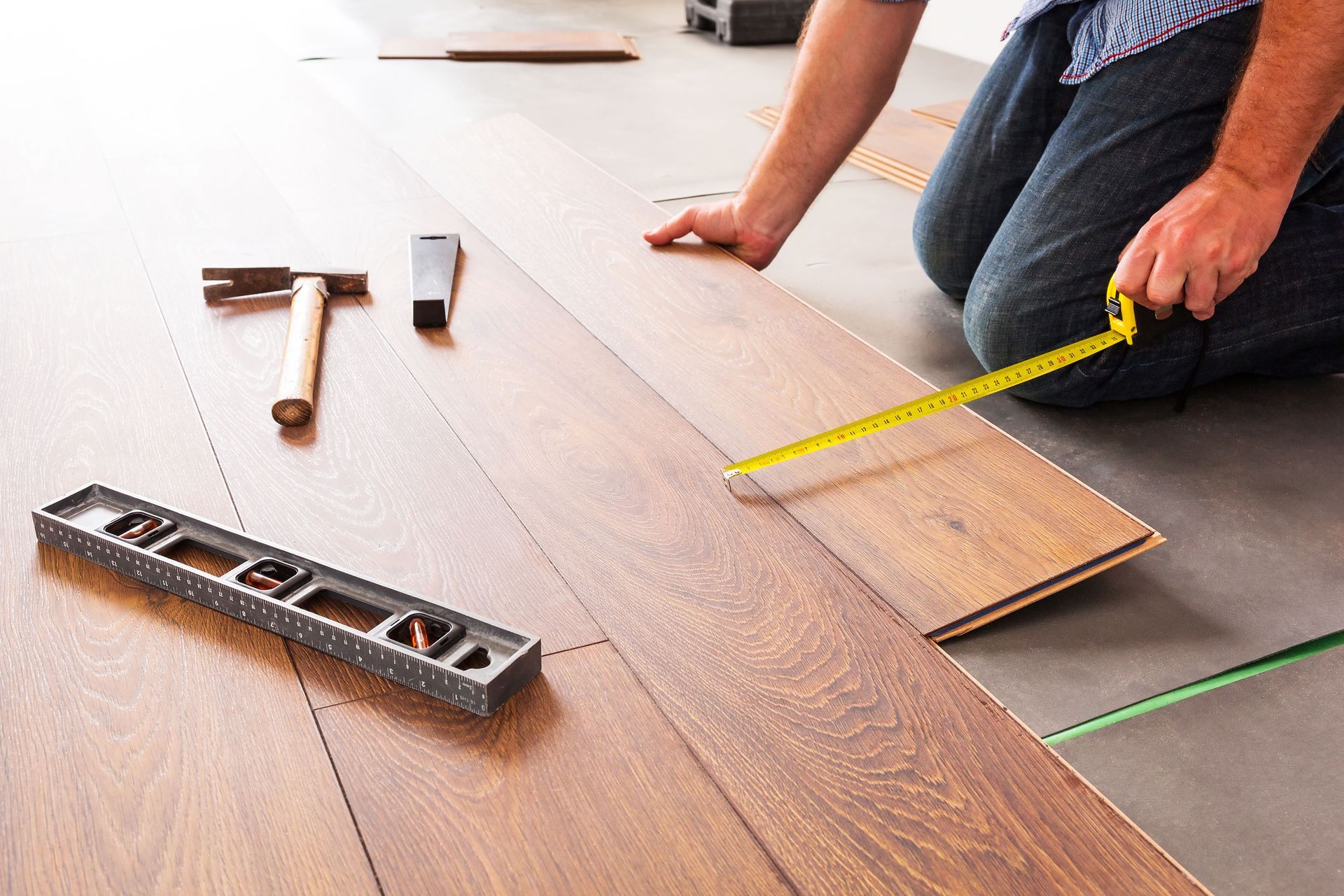
The same flooring product can often be installed using different methods that significantly affect both initial costs and long-term performance characteristics. Hardwood can be nailed, glued, or floated depending on the product type and subfloor conditions, with each method offering distinct advantages and limitations. Luxury vinyl plank is available in click-together floating installations and glue-down versions that suit different applications and budgets. A knowledgeable local flooring contractor explains which installation method best suits your situation, balancing factors like subfloor type, room usage, budget constraints, and whether you might want to remove flooring in the future without damaging the subfloor beneath.
Different flooring materials require vastly different maintenance routines, and choosing flooring that exceeds your willingness to maintain it leads to disappointment and premature deterioration. Natural stone and solid hardwood need regular sealing and specialized cleaning products, while luxury vinyl and laminate offer easy maintenance with simple sweeping and occasional mopping. Carpet requires regular vacuuming and periodic professional cleaning to maintain appearance and hygiene, while tile grout needs attention to prevent staining and discoloration. Understanding maintenance expectations before purchasing helps you select flooring that fits your lifestyle rather than creating ongoing burdens that you resent or neglect, leading to floors that look worn long before their expected lifespan expires.
Budget Beyond Just Material Costs
The advertised price per square foot for flooring materials represents only part of your total project cost, and failing to budget for all expenses leads to difficult compromises or incomplete installations. Installation labor, subfloor preparation, underlayment, transition strips, baseboards, and removal of existing flooring all add to your bottom line. Some products require specialized installation skills or tools that increase labor costs compared to more straightforward materials. Your local flooring contractor provides detailed estimates that break down all costs so you understand the complete financial picture rather than experiencing sticker shock when material costs prove to be just the beginning of your actual expenses.
Manufacturer warranties sound impressive, but often include so many conditions and exclusions that they provide less protection than homeowners assume when making purchase decisions. Many warranties cover only manufacturing defects, not normal wear, improper maintenance, or installation issues, leaving you without recourse for most problems that develop. Some warranties are prorated, meaning coverage decreases each year, and many require professional installation by certified contractors to remain valid. A local flooring contractor explains what warranties actually cover, which claims are typically honored versus denied, and whether extended warranty purchases represent good value or marketing gimmicks that waste money on protection you'll never successfully claim.
Acclimation and Installation Timing
Many flooring materials require acclimation periods in your home before installation to adjust to ambient temperature and humidity levels that affect their dimensions. Rushing installation without proper acclimation leads to gaps, buckling, or other problems as materials expand or contract after being permanently installed. Weather conditions, HVAC operation, and recent construction activities affect acclimation requirements and installation success. Your local flooring contractor schedules installations appropriately, delivers materials with adequate time for acclimation, and ensures environmental conditions are suitable for installation rather than rushing the process and risking problems that compromise your investment and satisfaction with the finished result.
Choosing new flooring involves far more considerations than simply picking a style you find attractive in a showroom, requiring careful thought about practical factors that determine whether your investment delivers lasting satisfaction or eventual disappointment. From understanding your lifestyle needs and moisture considerations to selecting appropriate quality levels and ensuring proper installation, each decision point affects your long-term happiness with your floors. Working with experienced professionals who prioritize education and appropriate recommendations over simply making sales ensures you receive flooring that truly suits your specific situation and expectations. Whether you need Carpet Installation, Wood Flooring Installation, Commercial Carpet Sales and Installation, Residential Carpet Sales and Installation, Engineered Hardwood Flooring Services, Solid Hardwood Flooring Services, Click LVP Flooring Services, Glue-Down LVP Flooring Services, Ceramic Flooring Services, Laminate Flooring Services, or LVT Flooring Services, The Flooring Guys of Illinois provides expert guidance backed by a 1-Year Labor Warranty, Beats Valid Competitor Offers, and Designers on Staff to help you make confident decisions. For more information, contact us today!